Introduction
On November 18, 2025, Rep. Clay Higgins (R-La.) cast the lone “no” vote when the U.S. House approved a bill to force release of Justice Department files tied to Jeffrey Epstein. The near-unanimous 427-1 vote drew immediate attention because Higgins chairs an Oversight subpanel that subpoenaed many of the same records — and because his stance runs directly against a bipartisan push for transparency. This article explains what happened, why Higgins said he opposed the measure, how the public and colleagues reacted, and what the vote might mean going forward. The Washington Post+1
Thank you for reading this post, don't forget to subscribe!
What Happened / Background
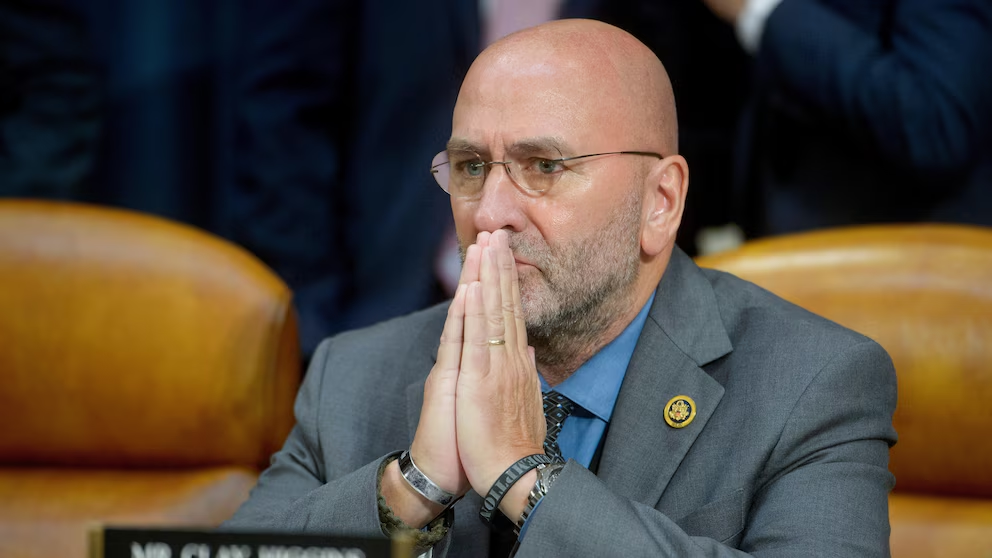
The House voted overwhelmingly to compel the Justice Department to turn over files related to the Epstein investigation. The bill passed 427-1, with Clay Higgins as the only dissenting member. Higgins argued the bill, as written, could expose the names of people who are not accused of crimes and would “injure thousands of innocent people.” He said the move risks violating long-standing principles of criminal procedure. The Daily Beast+1
The measure had bipartisan sponsorship and aimed to increase transparency after years of public interest. Supporters said the bill included protections for victims but insisted that full review of the files is essential for public trust. The Senate now considers the bill, and the White House signaled support after an initial change in stance from President Trump. The Daily Beast+1
Official Updates / Statements
Higgins posted a public statement explaining his vote. He framed his position as principled and procedural. He stressed concerns about privacy and due process and asked for amendments in the Senate to better protect innocent parties. Higgins also noted his role on oversight actions that previously subpoenaed related materials. The Washington Post+1
House leaders and bill sponsors pushed back. They said the measure has redaction rules to protect victims and that transparency outweighs secrecy in this case. Lawmakers supporting the bill argued that earlier delays and partial releases left too many questions unanswered. Al Jazeera
Public or Constituent Reaction
Reaction was swift and mixed. Transparency advocates praised the near-unanimous vote and urged quick Senate action. Victim-rights groups welcomed the bill as a step to accountability. Conversely, some civil liberties groups and a small number of Republicans echoed Higgins’ privacy concerns, calling for careful redactions and safeguards. Social media and local news in Louisiana lit up with both criticism and praise for Higgins’ stance. People.com+1
Constituents in Higgins’ southwest Louisiana district weighed in through calls and posts. Supporters framed his vote as defending innocent people’s privacy. Critics said that transparency should come first in high-profile cases. The debate reflects wider tensions in Washington between openness and protecting individuals named in investigative records. The Washington Post+1
Analysis / Impact or Conclusion
Why does Higgins’ lone “no” matter? First, the rarity of a single dissent in a 427-1 outcome makes a political statement. It highlights internal GOP divisions over process vs. publicity. Second, Higgins sits on oversight panels connected to the investigation, so his vote raised questions about strategy and motive. Third, his public framing — focusing on due process and privacy — may influence Senate amendments or further debate on how files are redacted. The Washington Post+1
Practically, the bill is likely to move to the Senate, where amendments could address Higgins’ concerns. Still, the near-unanimous House vote signals strong congressional appetite for more disclosure about Epstein and his networks. For Higgins, the vote cements his reputation as a vocal, sometimes controversial, member of the House Freedom Caucus who will break ranks on principle or procedure. People.com+1
“Truth matters — Dkolla Team”
Read more: Dkolla — U.S. Politics & Congressional Watch: /politics/congress-watch