People bring your city to life in Cities: Skylines 2. They fill your streets, work in your businesses, and keep the economy moving. Without them, your city stops growing.
Thank you for reading this post, don't forget to subscribe!
That’s why population management matters. You must guide growth, balance jobs, and keep everyone satisfied. The Dkolla Team explains how to do it easily in this friendly step-by-step guide.
(External Source: Paradox Interactive – Cities: Skylines 2 Official Guides)
Why Population Management Is Important
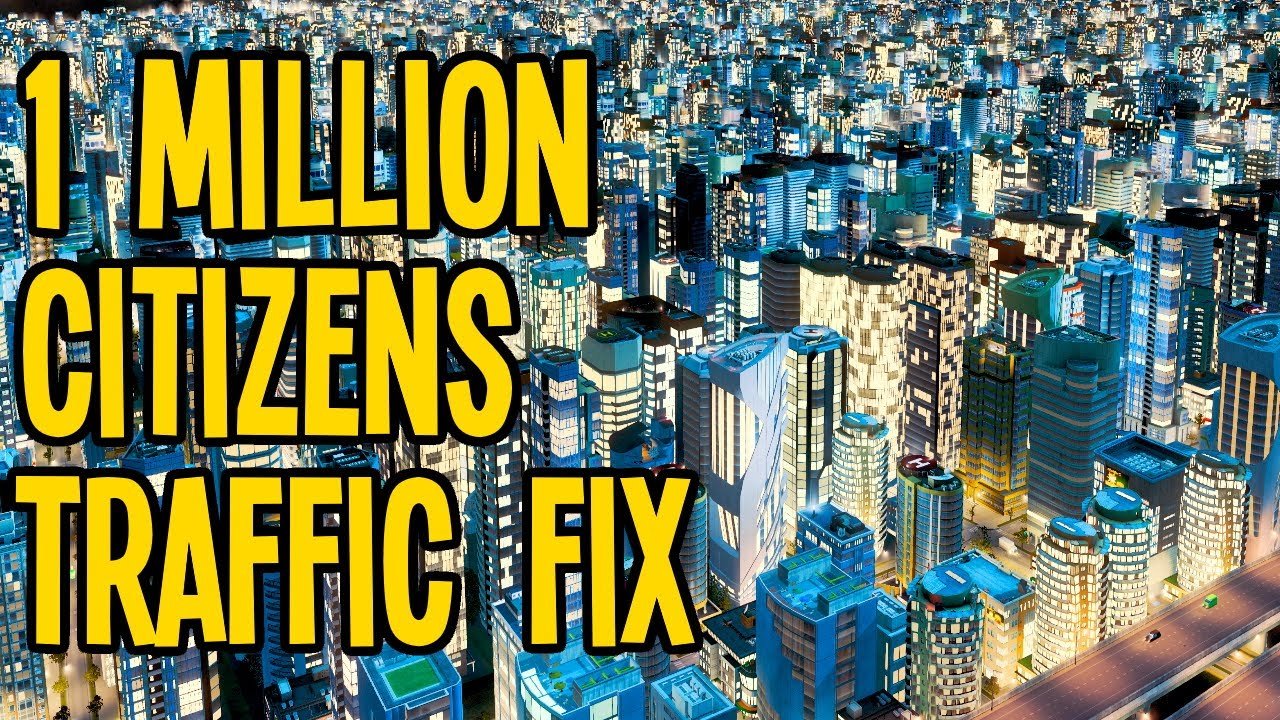
Your population affects every part of your city. For example, more people mean higher tax income and more workers. However, rapid growth can strain your services.
As a result, smart mayors focus on balance. When you grow at a steady pace, your city stays healthy and efficient.
Step 1: Attract New Residents
Every successful city begins with people who want to move in. To do this, focus on comfort and basic needs first.
Here’s how you can attract new residents:
- Zone Residential Areas: Make space for houses in safe, quiet areas.
- Add Utilities: Ensure water, electricity, and garbage collection are available.
- Keep Taxes Low: Lower taxes encourage migration.
- Build Schools and Parks: Education and leisure raise land value.
In addition, check the land value heatmap often. If it’s green, your citizens are happy. If it’s red, improve services or plant trees.
Step 2: Balance Jobs and Workers
A growing population needs balanced employment. If there are too few jobs, people will leave. If there are too many, businesses might close.
Therefore, you should monitor the workforce tab frequently.
Follow these tips to stay balanced:
- Match Education Levels: Educated citizens need offices, while unskilled workers need industry.
- Spread Industries: Place jobs across multiple districts.
- Support Transport: Add buses or subways to reduce commute times.
- Watch Traffic Flow: Smooth traffic keeps workers happy and productive.
For example, connect residential areas to industrial zones with direct roads or trams. That way, workers arrive on time and businesses stay open.
Step 3: Control Growth Pace
Big growth looks exciting, but it often causes chaos. If your population explodes, traffic and pollution follow quickly.
To control growth:
- Expand Gradually: Build new districts slowly.
- Adjust Taxes: Raise taxes slightly to slow migration.
- Balance Services: Add schools, healthcare, and police before new housing.
- Pause Zoning: Stop zoning if services can’t keep up.
As a result, your city will grow safely without major problems. In addition, your citizens will stay happy because their needs are met.
Step 4: Keep Citizens Happy
Happy citizens mean a healthy city. When people enjoy life, they stay longer and work harder.
Here’s how to boost happiness easily:
- Add Parks: Green spaces improve mood and land value.
- Provide Healthcare: Keep clinics close to neighborhoods.
- Reduce Crime: Place police stations evenly across districts.
- Control Noise: Avoid busy roads near homes.
- Fix Traffic: Good roads make everyone happier.
For instance, if a neighborhood is noisy, move industrial zones further away. In the same way, adding trees reduces sound and pollution together.
Step 5: Fix Population Decline
Sometimes your city starts losing people. This can happen due to high taxes, few jobs, or poor services.
Don’t worry — you can fix it.
Try these quick solutions:
- Lower Taxes: Attract residents back with affordable living.
- Add Jobs: Expand commercial or office zones.
- Clean the Air: Move factories away from homes.
- Improve Transport: Easier travel makes cities feel more connected.
After a few months, your numbers will rise again. Therefore, stay patient and keep improving your services.
Step 6: Manage Education and Age
Citizens grow and age over time. If you plan ahead, this life cycle becomes your strength.
To balance education and age:
- Build Schools Early: Educated citizens increase job quality.
- Keep Families Nearby: Parks and low noise attract younger residents.
- Balance Education Levels: Too many university grads can hurt industries.
For example, if you notice factories closing, reduce university capacity for a while. This helps maintain a mix of skilled and unskilled workers.
Step 7: Use Data Tools Wisely
Cities: Skylines 2 gives you plenty of data to track your population. Because of this, you can solve problems before they get worse.
Use these key tools:
- Population Overview: Shows growth and age trends.
- Workforce Tab: Displays employment balance.
- Education Panel: Reveals citizen skills.
Therefore, check these regularly. In addition, plan expansions when trends show steady growth.
Community Advice
The player community agrees that population balance is the key to a stable city. Many players say slow growth and strong services work best.
One Reddit user shared:
“Once I slowed my expansion and added more parks, my population finally stopped leaving.”
(External Reference: Cities: Skylines 2 Community Forum – Population Tips)
As you can see, small changes can make a big difference.
Final Thoughts
Population management in Cities: Skylines 2 is all about patience and smart planning. When you take your time, your city grows naturally. When you rush, problems appear fast.
So remember: expand slowly, balance jobs, and keep people happy. In the end, your city will thrive with satisfied citizens and steady progress.
For more official updates, visit Paradox Interactive and check back on dkolla.com for new gaming insights from the Dkolla Team.


Pingback: Apex Legends Team Composition Strategies That Win Ranked